

Value Creation
Innovation

Research and Development Policy and Structure
Accelerating R&D toward the business domain expansion stage
To achieve the 2028 Mid-term Management Plan’s “business domain expansion” stage, the NOF Group is promoting open innovation through external co-creation, such as open calls for industry-academia commissioned research and comprehensive industry-academia-government collaboration.
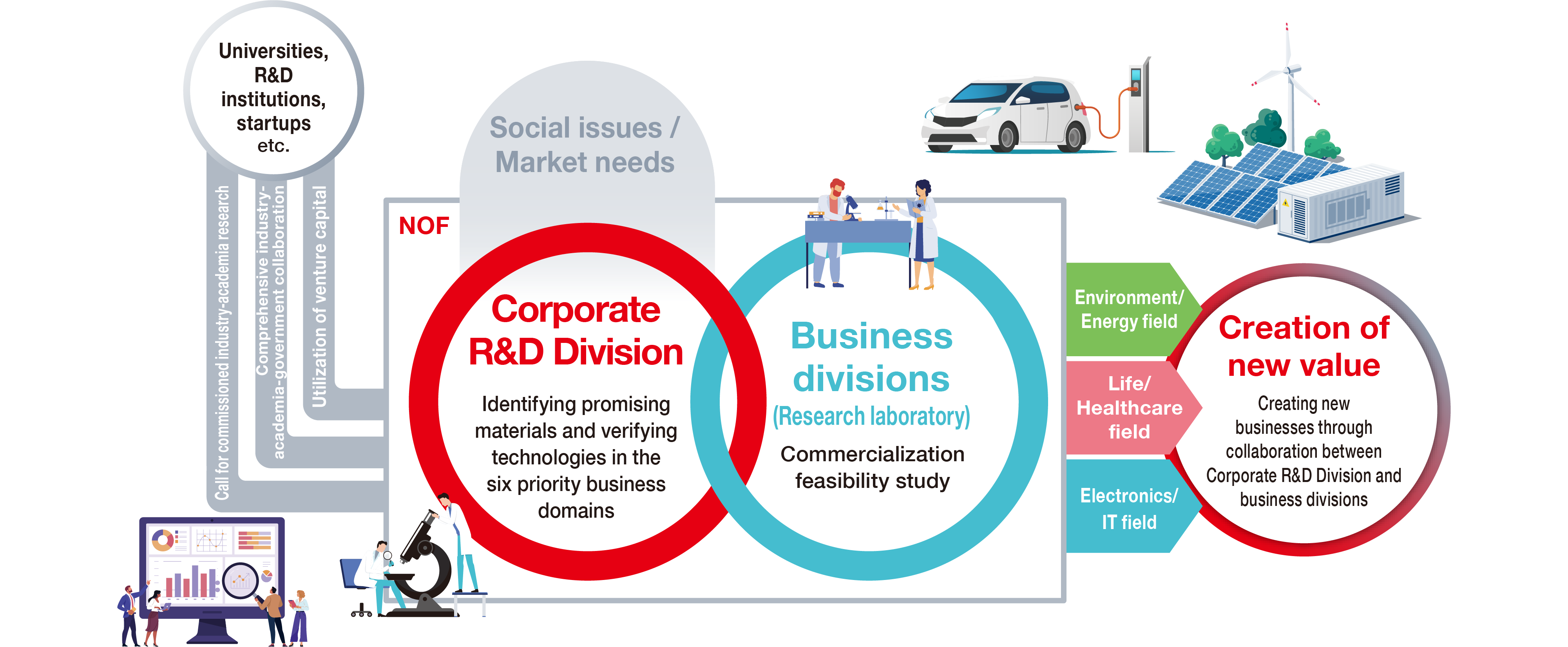
Under “NOF VISION 2030,” the NOF Group set a goal of “accelerating the development of new products and technologies through strategic investment toward the three prioritized business fields.” To achieve this, we have selected six priority business domains based on our basic strategy of creating new businesses in growth market by introducing new technologies with market advantages, with a focus on co-creation with startup companies and comprehensive industry-academia collaboration. The Corporate R&D Division captures social issues and market needs, and promotes R&D centered on these six domains through industry-academia-government collaboration and co-creation with venture capital firms (VCs). At the stage of considering practical application, we also collaborate with the Divisions to create new businesses aimed at the three prioritized business fields.
In April 2024, the Company jointly established the NOF-AIST Smart Green Chemicals Collaborative Research Laboratory, with the AIST Group (National Institute of Advanced Industrial Science and Technology and AIST Solutions Co.). We are developing environmentally conscious chemicals and manufacturing processes by integrating the NOF Group’s proprietary technologies with the catalyst technologies and bio-manufacturing technologies of the AIST Group.
Six fields in priority business domains
Pharmaceutical materials
We will advance further R&D with the DDS materials that are our strength, to contribute to advanced medical treatments such as gene therapy.
Materials for medical care and medical devices
We aim to commercialize chemical materials for entry into this field, in response to the growing needs for regenerative medicine.
Functional chemical materials
We will promote initiatives for a sustainable society, including the production of raw materials for chemicals made from biomass.
Functional food materials
We are studying and developing health food ingredients intended to provide benefits related to beauty, lifestyle-related diseases, immune function, and brain function.
Materials for electronics
We are working together as a team toward the commercialization of new materials for fields such as semiconductors and next-generation communications.
Materials for automobiles
We are developing materials that contribute to further performance improvements in rechargeable batteries for electric vehicles (EVs).
Promotion of R&D in our three prioritized business fields
Amid growing expectations for innovation in the chemical materials field, we are working to develop new technologies and products in the three prioritized business fields.
Life/Healthcare Field
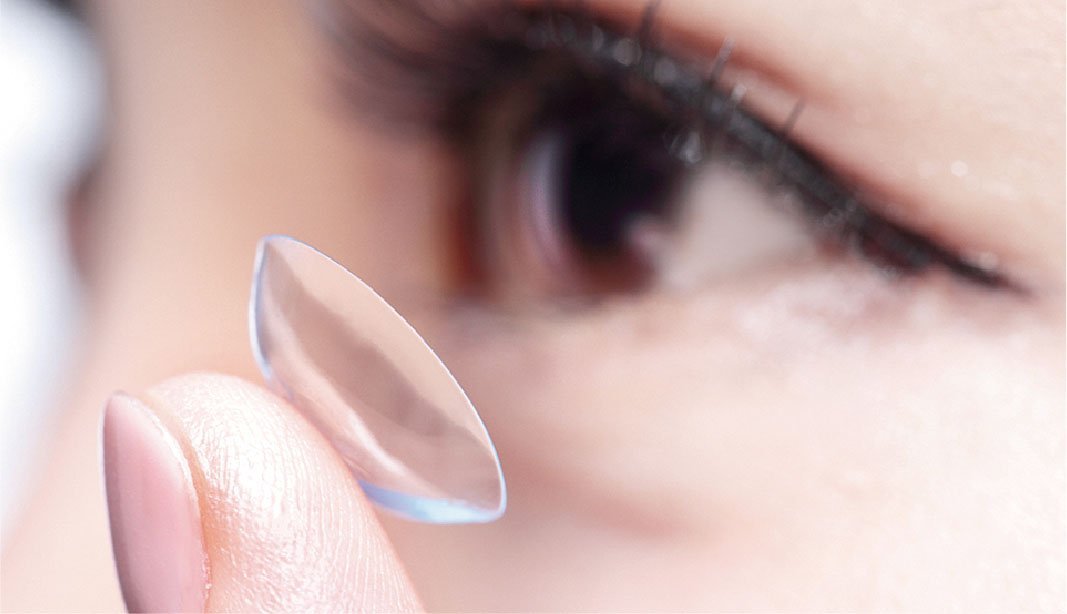
For pharmaceuticals, we are developing functional lipids and activated PEG as DDS materials for biopharmaceuticals through means such as precision synthesis and advanced refining technologies. We are developing monodispersed PEG and ionic lipids for nucleic acid delivery for antibody and nucleic acid drugs. In the area of medical care, we are developing the LIPIDURE® Series for use in eyecare products, diagnostic pharmaceuticals, and medical devices, as well as highly functional materials for regenerative medicine. For cosmetics, we have a wealth of expertise in areas such as biocompatible materials, natural bioavailable substances, interface control technology, and mix design technology. We use this expertise to respond rapidly to functional advances.
Environment/Energy Field
As demand for air conditioners and refrigerators increases due to global warming, we expect to see demand for base materials for refrigerating oils and polybutene for air conditioner putty. In addition, as offshore wind power generation gains momentum for development, particularly in Asia, there is a growing need for environmentally conscious products, such as biodegradable lubricants made from raw materials derived from natural oils and fats and anti-corrosion coatings for bolts, to prevent marine pollution. Furthermore, as EVs become the norm, there are expectations for development of products with advanced functions, including anti-fog agents for LED headlamps and noise reduction agents in order to maintain a quiet car interior.

Electronics/IT Field
In the telecommunications field, the need for curing agents for low-dielectric materials is increasing as the speed and capacity of telecommunications increases. Demand for highly photosensitive materials and additives for electronic components is also increasing as electronic components undergo miniaturization. The shift to EVs in automobiles also requires miniaturization of electronic components, and we are working to add more value to these products. In addition, the increase in the number and size of displays in EVs is expected to raise demand for overcoat materials for LCD
color filters.

Cell cryopreservation solution contributing to regenerative medicine and cancer treatment research
(Life/Healthcare Field)
Demand for preservation methods that do not lead to cell damage
Against the backdrop of an aging population and an increase in chronic diseases, the needs for regenerative medicine are expected to continue expanding in the future. With regenerative medicine, “cryopreservation” technology for the stable preservation of cells is essential in processes ranging from cell collection to culture and tissue regeneration. The global market for cell cryopreservation agents is projected to grow at a compound annual growth rate of 8.6%* from 2025 to 2033. Culture methods include suspension cultures, 2D cell cultures, and 3D cell cultures; NOF focuses on preservation solutions for “2D cell cultures” suitable for cancer cell lines and for “3D cell cultures,” which is closer to the in-vivo environment. While a high market growth is expected for 3D cell cultures, it is difficult to freeze and thaw cells without damaging them, and this requires advanced preservation technology that does not impair function.
Confirmed effects even in iPS-derived cardiomyocytes
In various tests of 2D cell cultures, conventional cell cryopreservation involved freezing cells in suspension, which presented problems such as the effort required to seed and proliferate cells on culture plates for each experiment, and variability in cell conditions.
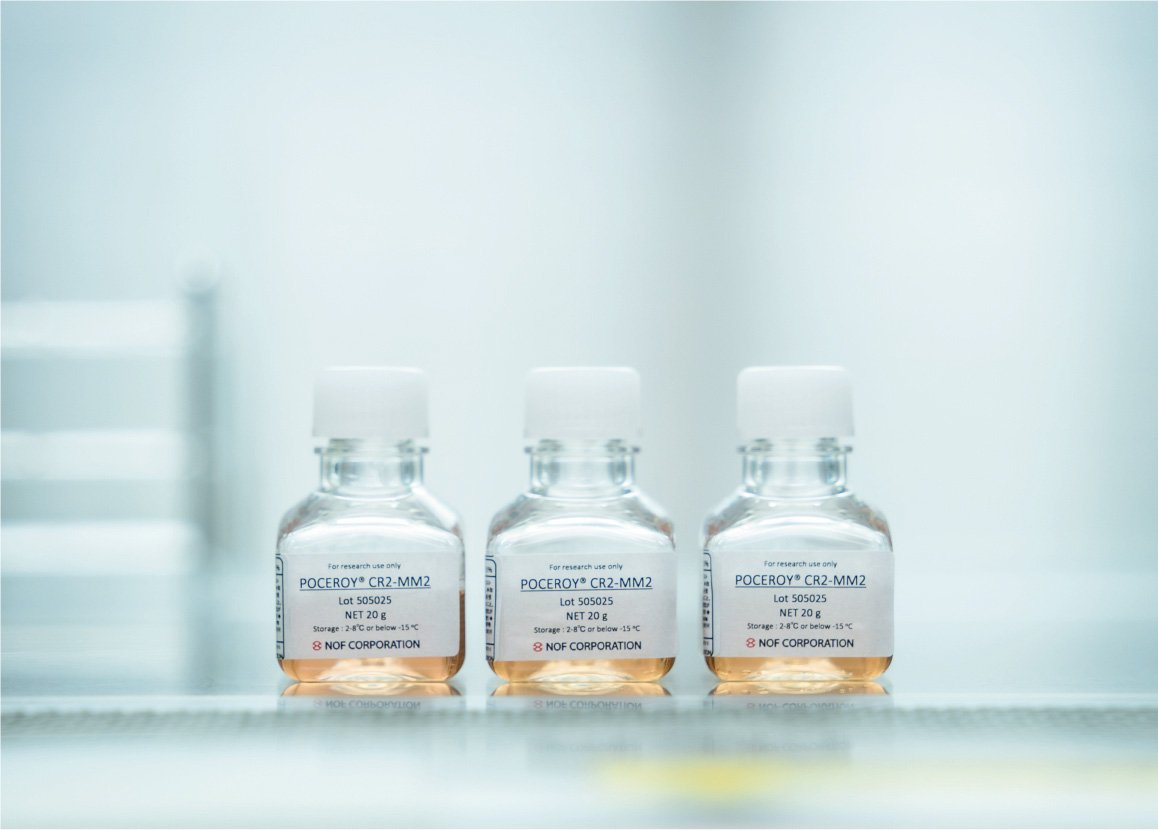
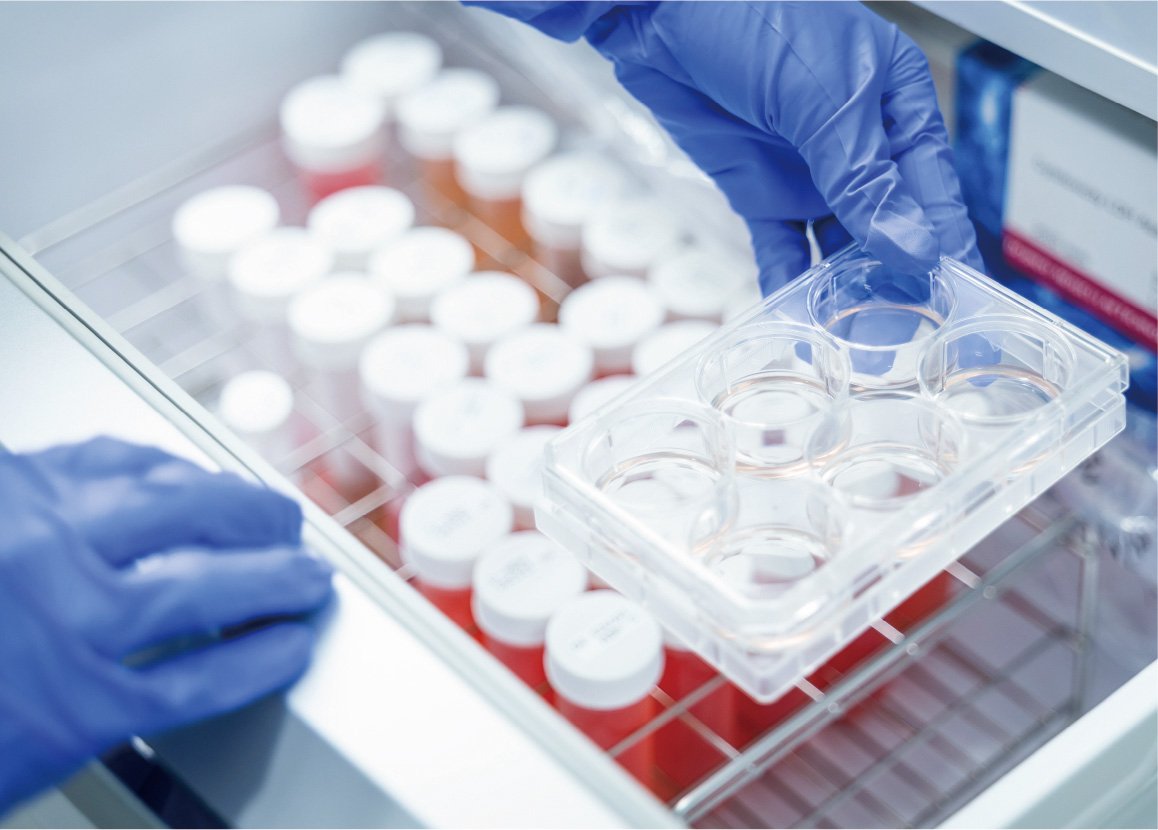
Our developed product, the cell cryopreservation solution “POCEROY® CR2 series,” enables cryopreservation in a state where cells are adhered to the culture plate. This not only significantly improves cell viability but also reduces the required man-hours and enables mass preservation. Given that they can be frozen on the culture substrate, the required number of plates can be thawed and used. Excellent preservation effects were verified with this preservation solution for established cell lines, mesenchymal stromal cells, iPS cell-derived cardiomyocytes, and others. We also developed the “POCEROY® CR3 series” for 3D cell cultures. In application experiments on iPS cell-derived cardiac spheroids, we verified that beating was maintained after freeze-thawing.
Co-Creation with External Partners
Implementation of the “Industry-Academia Commissioned Research Open Innovation Program 2025”
We are actively promoting open innovation activities in line with our vision of co-creating new value through the power of chemistry.
Selecting three technologies from five topics in the electronics/IT field
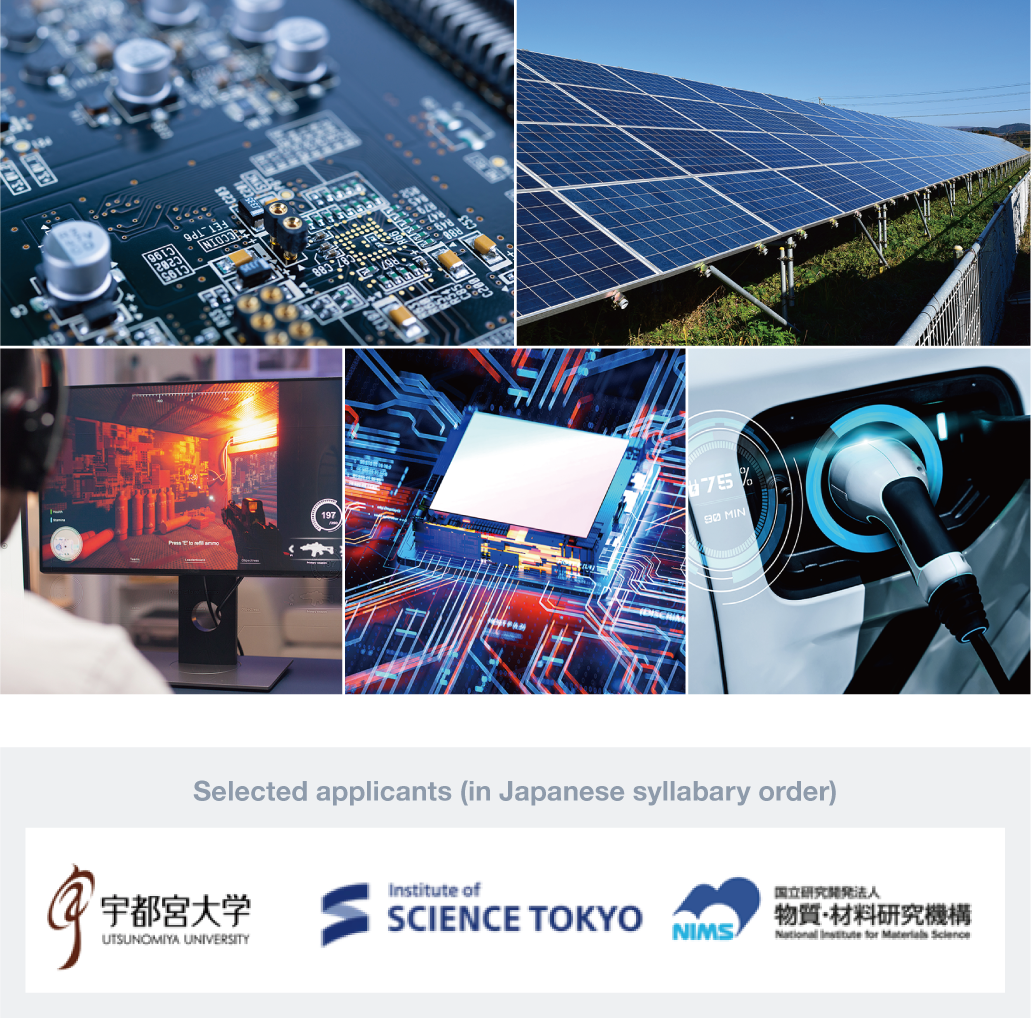
The “Industry-Academia Commissioned Research Open Innovation Program” is a project aimed at jointly developing and commercializing new technologies and products with organizations and other entities selected through an external open call to collaborate with NOF. In FY2025, proposals were solicited for themes related to the “electronics field.”
With the support of ABeam Consulting Ltd., we implemented this project for five research topics— (1) Thermal control, (2) Solar cells, (3) Displays, (4) Semiconductors, and (5) Rechargeable batteries — which are expected to undergo future market growth and have the potential for utilization of NOF technologies, and received many applications from domestic and international universities, research institutions, and startups.
As a result of careful screening from perspectives such as the potential for commercialization at NOF, technological superiority, and contribution to social issues, we selected technologies from Utsunomiya University, Institute of Science Tokyo, and National Institute for Materials Science. We will provide research funding to the selected applicants, pursue research toward social contribution over a period of one year, and aim for future business creation.
Sustainability Contribution Products
To achieve both a sustainable society and economic growth, the NOF Group promotes R&D of technologies corresponding to the three prioritized business fields and creates various sustainability contribution products.
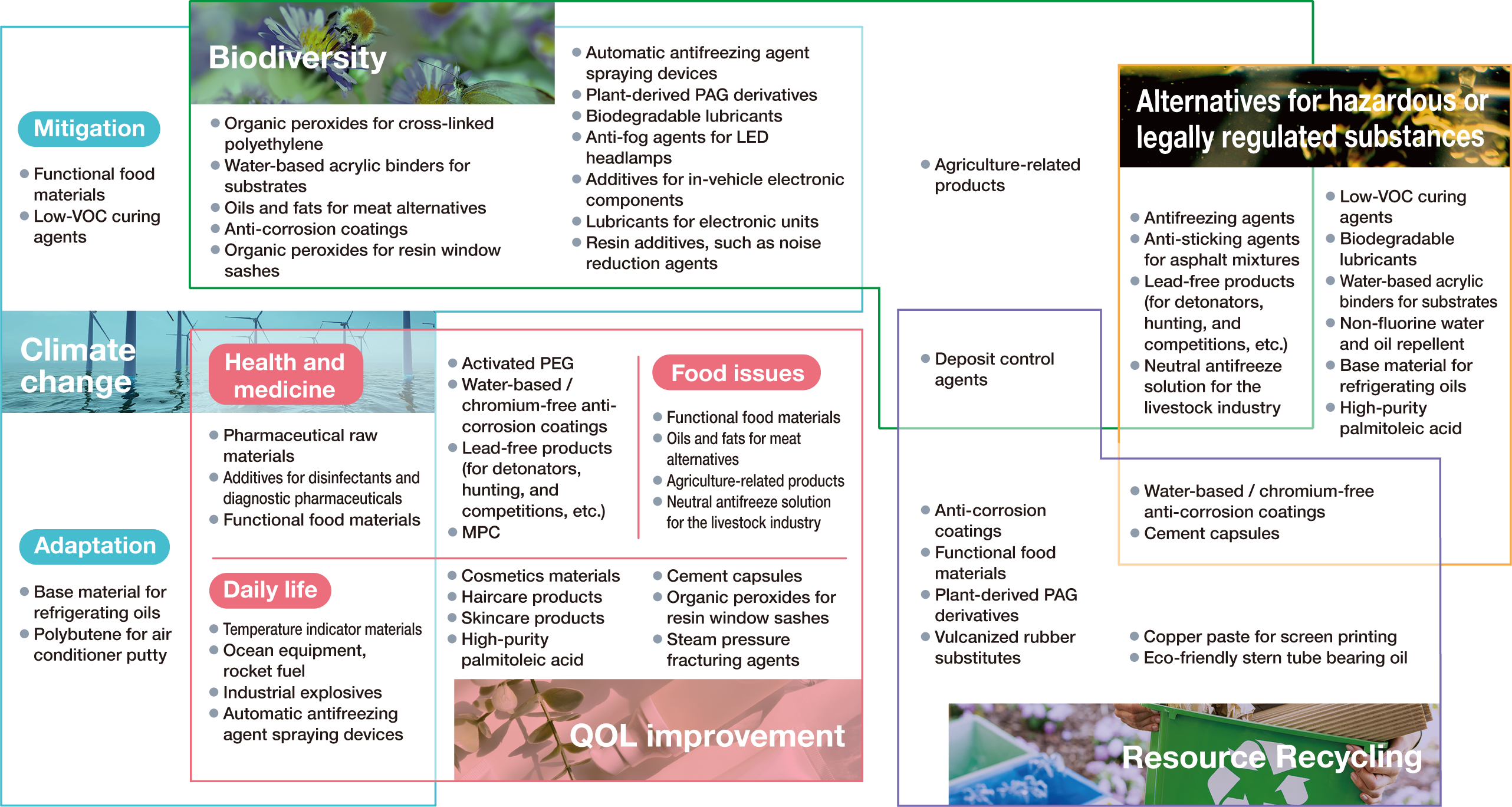
NOF Group’s products that directly or indirectly contribute to solving social issues such as the “global environment” and “improving QOL”